Article by Al-Qabas
Electric Scooter in Kuwait to Avoid Traffic Congestion
With the increasing traffic congestion in Kuwait, the need for alternative transportation solutions has become more evident, especially for short distances. Among these solutions, electric scooters have emerged as a practical and efficient option that meets the needs of a wide range of users.
Electric scooters are considered a modern mode of transportation, combining speed and ease of use, while also being environmentally friendly. They contribute to reducing carbon emissions generated by traditional vehicles.
A Practical Solution for Short Distances
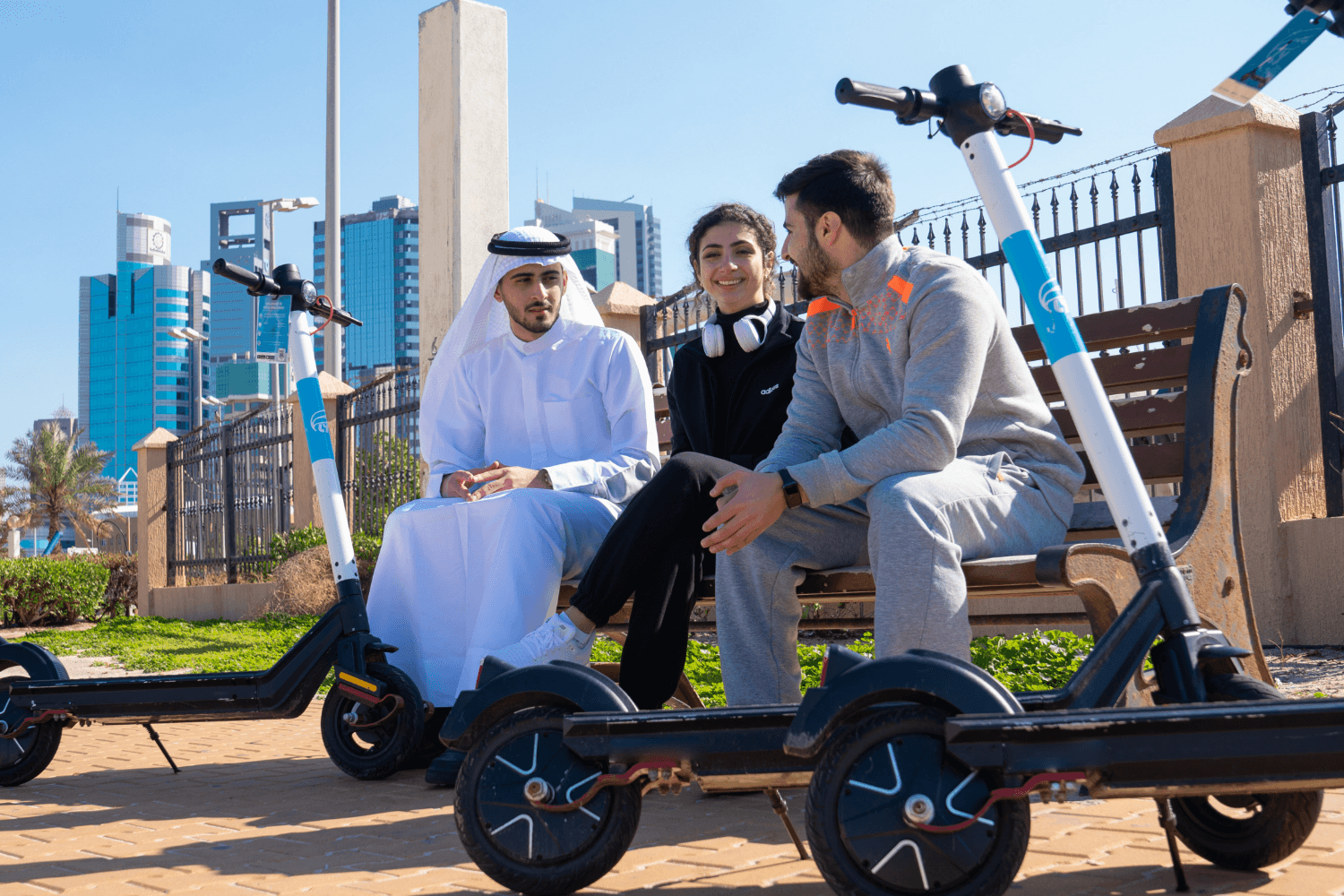
Electric scooters are highly effective in navigating crowded areas, especially in places that are difficult to access by cars, such as commercial districts, waterfronts, and university campuses. They also offer users great flexibility without the need to search for parking spaces.
In recent years, the use of electric scooters has become more widespread in Kuwait, with clear adoption across streets and key locations as a fast and efficient option for daily commuting.
A Modern Mobility Experience
Electric scooters provide a unique mobility experience that combines practicality and enjoyment. They are easy to use and do not require special skills, and many models are foldable, making them convenient to carry and store.
Their speed makes them ideal for short-distance travel within cities, typically ranging between 25 to 45 km/h, which meets the needs of users seeking quick and safe transportation.
Supporting Environmental Sustainability
The growing use of electric scooters aligns with the global shift toward environmentally friendly transportation. They help reduce reliance on traditional vehicles, thereby lowering pollution levels and easing traffic congestion.
In this context, electric scooters have become a preferred choice among young people, particularly in urban areas, due to the freedom of movement and lower cost compared to other transportation options.